
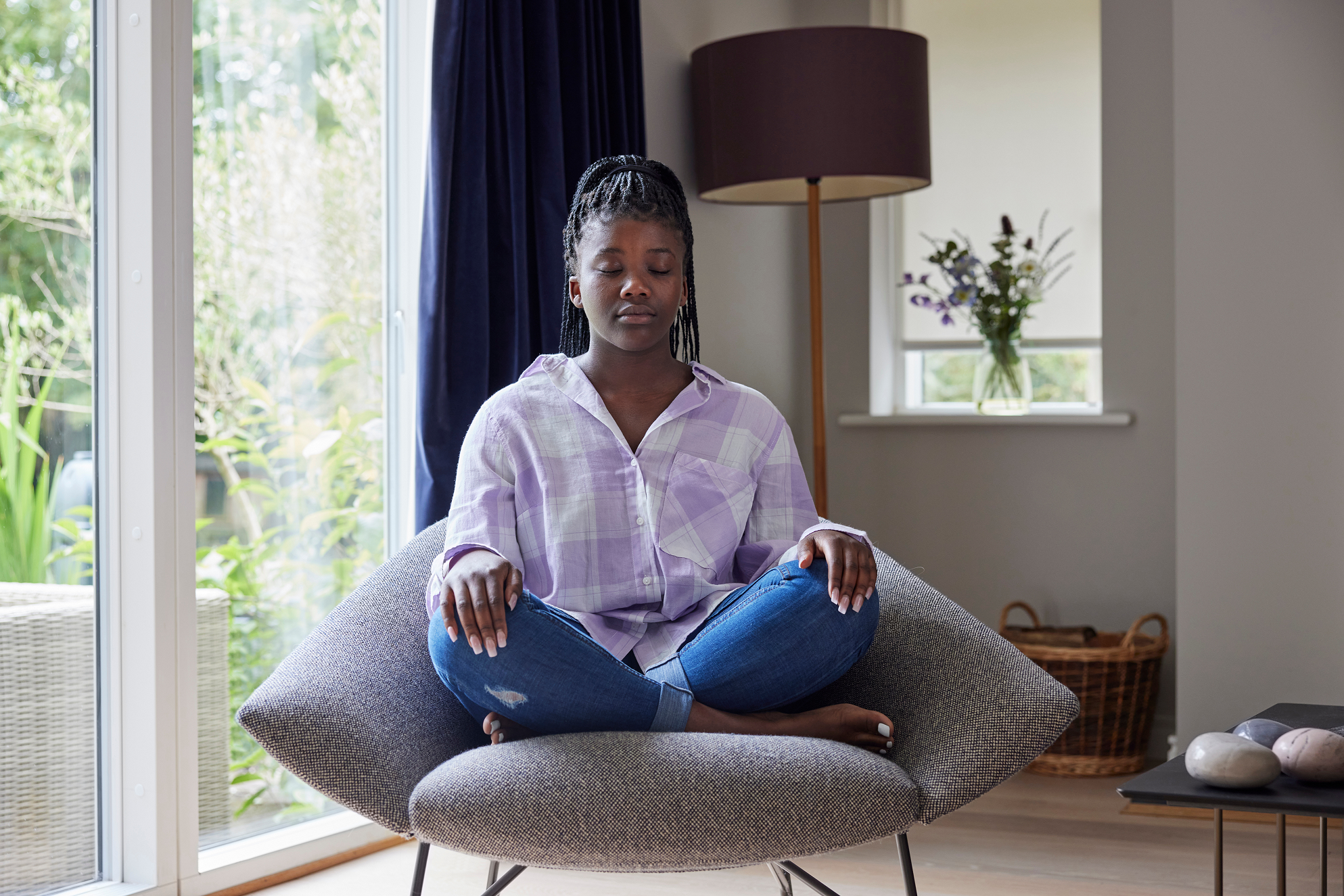
Mindfulness means paying attention to the present moment, on purpose, and without judgment. It provides a mental pause button that helps regulate the nervous system and acts as a simple grounding tool to navigate big thoughts, changing emotions, and daily surroundings with confidence.
Benefits for Kids
- Improves focus: Regular practice trains young brains to return their attention to a single task, which aids classroom learning.
- Builds emotional control: Children learn to notice physical sensations—like a racing heart—before reacting with anger or tears.
- Reduces everyday anxiety: Simple breathing techniques lower cortisol levels, helping kids self-soothe after a difficult day.
Benefits for Teens
- Manages academic stress: Mindfulness provides cognitive distance from the pressure of grades, exams, and future planning.
- Counters digital fatigue: Constantly checking notifications leaves teens overstimulated. Pausing helps reset their attention span.
- Navigates social pressure: Brain development during the teenage years makes peer approval highly critical. Mindfulness builds self-acceptance and resilience against online comparison.
Easy Practices for Younger Kids
Short, playful, and sensory-focused exercises work best for younger children.
- Belly breathing: Have your child place a favorite stuffed animal on their stomach while lying down. Instruct them to watch the toy rise and fall with each slow breath.
- The 5-4-3-2-1 sensory game: Ask your child to name five things they see, four things they can touch, three things they hear, two things they smell, and one thing they taste.
- The fading sound test: Ring a bell. Ask your child to listen and raise their hand the exact moment the sound completely disappears.
Targeted Strategies for Teens
Teens need practical, independent strategies that fit into a busy schedule without feeling childish.
- The "STOP" technique: This quick mental check-in can be done right before an exam or an athletic performance:
- Stop what you are doing.
- Take a breath.
- Observe your thoughts and feelings without judging them.
- Proceed with clarity.
- Tech-free transitions: Encourage teens to take five deep, intentional breaths before they open a social media app or immediately after closing their laptop for the night. This creates a psychological buffer zone.
- Box breathing: Used by athletes and performers, this involves inhaling for four seconds, holding for four, exhaling for four, and holding empty for four. It is entirely invisible, so teens can practice it at their school desks.
Some Notes on the Digital Dilemma: Mindfulness in the Screen Age
For today's teens (and adults for that matter), mindfulness cannot be separated from technology. Constant exposure to social media feeds, notification pings, and algorithmic loops keeps the nervous system in a state of low-grade alert.
Overcoming the "Scroll Hole"
Teens often scroll mindlessly to escape boredom or stress, which frequently leaves them feeling more drained. Digital mindfulness shifts this habit from passive consuming to
active choosing. It encourages teens to notice the precise moment they pick up their phone out of habit or anxiety, rather than necessity.
Practical Tech-Mindfulness Habits
- The Notification Pause: Pause for one full breath before tapping on an unread message alert. This replaces a reactive urge with conscious action.
- App-Opening Intentions: Before tapping an app icon, mentally state the purpose. (e.g., "I am opening this to check soccer practice times for two minutes.")
- The Tech "Sundown": Establish a fixed boundary—such as turning off screens 30-60 minutes before bed—to allow the brain's sleep systems to activate naturally without digital interruption.
Try some of the techniques above, first for yourself and then with your child. The more you practice together, the more it hopefully will help cultivate peace and calm in a very busy.